
Septic systems are a critical part of many properties, yet they often operate quietly in the background until a problem arises. Because they are hidden underground, it can be easy to underestimate their importance or delay professional care. However, septic services play a vital role in protecting not only the physical structure of a property but also the health and safety of everyone who lives or works there. From routine maintenance to emergency response, these services help ensure that wastewater is managed safely, efficiently, and responsibly. Explore https://septic-guys.com/ for additional information.
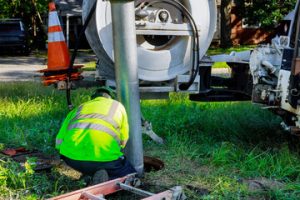
At a basic level, a septic system is designed to treat wastewater by separating solids from liquids and allowing natural processes to break down organic material. When this process functions correctly, wastewater is filtered before returning safely to the soil. When it does not, untreated waste can create serious health hazards and cause costly damage to surrounding areas. Septic services support this delicate balance by maintaining system efficiency and identifying potential problems before they escalate into larger issues.
One of the primary ways septic services protect property is through preventive maintenance. Regular inspections and pumping help prevent solid waste buildup that can clog pipes or overwhelm the drain field. Without this care, pressure within the system increases, raising the risk of backups or leaks. These failures can damage floors, walls, and landscaping, leading to expensive repairs that could have been avoided. Professional septic care acts as a safeguard, preserving both the system and the property it serves.
Health protection is another essential benefit of septic services. Wastewater contains harmful bacteria, viruses, and pathogens that can pose serious risks if they enter living spaces or contaminate the surrounding environment. Properly maintained systems keep these contaminants contained and treated. Septic professionals are trained to handle hazardous materials safely, reducing the likelihood of exposure during inspections or repairs. Their expertise ensures that waste is managed in a way that minimizes health risks for occupants and neighbors alike.
Routine septic services also support early detection of issues that may not be visible to property owners. Many septic problems develop gradually, starting with minor inefficiencies that go unnoticed until they become disruptive. Through professional assessments, technicians can identify warning signs such as rising sludge levels, small leaks, or reduced drainage capacity. Addressing these issues early helps maintain system performance and prevents sudden failures that can compromise safety and sanitation.
To understand the value of septic services, it helps to consider the key areas where they make the greatest impact:
- System longevity, by reducing wear and preventing premature failure.
- Property protection, through prevention of structural damage and landscape contamination.
- Health and safety, by minimizing exposure to harmful wastewater.
- Environmental responsibility, by ensuring proper treatment and soil filtration.
These benefits highlight why septic care is not just a technical task but an essential part of responsible property management.
Another important role of septic services is ensuring compliance with environmental and safety standards. Wastewater treatment has broader implications beyond individual properties, as improperly managed systems can affect surrounding soil and water sources. Professional services follow established guidelines for inspection, pumping, and disposal, helping reduce the risk of environmental contamination. This level of oversight protects local ecosystems and supports sustainable wastewater management practices that benefit the wider community.
Septic services also provide valuable guidance to property owners. Many system failures are linked to daily habits, such as excessive water usage or improper waste disposal. Professionals can offer practical recommendations tailored to the specific system, helping owners make small changes that have a big impact. By educating property owners and occupants, septic services empower them to contribute to system health rather than unknowingly causing harm.
Seasonal changes further emphasize the importance of professional septic care. Fluctuations in rainfall, temperature, and household activity can all influence system performance. During wet periods, saturated soil may struggle to absorb treated wastewater, while colder conditions can slow biological processes inside the tank. Septic services account for these variables by adjusting maintenance schedules and identifying seasonal vulnerabilities. This proactive approach helps prevent weather-related failures that could compromise property safety.
Emergency septic services play a critical role when unexpected problems arise. Backups, overflows, or structural damage require immediate attention to prevent health risks and property damage. Trained professionals have the equipment and experience needed to respond quickly and safely. Their ability to diagnose and resolve issues efficiently reduces downtime and limits exposure to hazardous conditions. In emergency situations, professional intervention is often the most reliable way to restore system functionality without causing further harm.
Beyond immediate repairs, septic services contribute to long-term planning and system optimization. Professionals can assess whether a system is adequately sized for current usage and recommend adjustments if household needs have changed. Increased occupancy, renovations, or lifestyle shifts can place additional strain on a system that was designed for lower demand. Evaluating these factors helps ensure that the system continues to meet the property’s needs without sacrificing efficiency or safety.
Landscaping and property layout also benefit from professional septic guidance. Improper placement of heavy structures, vehicles, or deep-rooted plants near the system can cause damage over time. Septic professionals can advise on safe landscaping practices that protect underground components while maintaining proper soil conditions. These recommendations help property owners avoid inadvertent damage that could lead to costly repairs or system failure.
Financial considerations further reinforce the value of septic services. While routine maintenance represents an ongoing expense, it is often far less costly than repairing or replacing a neglected system. Preventive care spreads costs over time and reduces the likelihood of sudden, large expenditures. For property owners, this predictability provides peace of mind and supports better long-term budgeting. Septic services function as an investment in stability rather than an optional expense.
Property owners who manage rental or multi-unit spaces benefit even more from consistent septic care. Multiple occupants increase water usage and waste volume, raising the potential for system strain. Regular professional services help maintain reliable operation and reduce the risk of tenant complaints or health concerns. Clear maintenance records also demonstrate responsible management and can be valuable during inspections or property transactions.
To maximize the protective benefits of septic services, property owners should follow a few best practices:
- Schedule regular inspections and pumping based on system usage and capacity.
- Address minor issues promptly to prevent them from becoming emergencies.
- Educate all occupants about septic-friendly habits and responsible water use.
- Maintain clear access to the tank and drain field for safe servicing.
These steps strengthen the partnership between property owners and septic professionals, creating a more resilient system.
Education remains a powerful tool in protecting both property and health. When owners understand how septic systems work and why professional care is essential, they are more likely to prioritize maintenance. Septic services bridge the knowledge gap by providing clear explanations and practical advice. This collaborative approach fosters better decision-making and encourages proactive care rather than reactive fixes.
In conclusion, septic services play a vital role in safeguarding property and protecting human health. Through preventive maintenance, early detection, emergency response, and ongoing guidance, these services ensure that wastewater systems function safely and efficiently. Proper septic care reduces the risk of contamination, structural damage, and costly failures while supporting environmental responsibility. By investing in regular septic services and adopting informed daily habits, property owners can create a healthier living environment and protect their investment for years to come.
